
A key moment, from vine to cellar, adapted to the Quebec climate
The harvest marks the culmination of an entire season of hard work in the vineyard. After months of observation, careful tending, and precise decisions, the time has finally come to pick the grapes at their peak ripeness.
At Vignoble Montvinéa, harvest is never defined by a fixed date on the calendar: it is the result of rigorous monitoring, attentive craftsmanship, and a clear vision of the wine we want to create.
Here is how and when we harvest, presented as a harvest journal—from grapes on the vine to their arrival in the cellar.
When Does the Harvest Take Place in Quebec?
In Quebec, the harvest season typically runs from:
- late September to mid-October
- depending on the year’s weather conditions
- and based on the style of wine being made
Every vintage is unique. Temperatures, sunlight, and rainfall directly influence how quickly the grapes ripen. This is why we observe the vineyard day after day, waiting for the perfect moment.
How Do We Decide When the Grapes Are Ready?
The decision to harvest is based on a combination of factors:
- Brix levels (the sugar content in the grapes)
- acidity levels, which are essential for freshness
- aromatic ripeness
- tasting the grapes directly on the vine
- the health of the grape clusters
- the upcoming weather forecast
Brix levels help us estimate the potential alcohol content of the future wine, but they are never evaluated in isolation. A grape can show optimal sugar levels without having reached its full aromatic potential.
The Style of Wine Also Influences Harvest Timing
The order and timing of the harvest also depend on the winemaker’s intention and the type of wine we wish to craft.
For example:
- for a sparkling white wine, grapes are picked earlier, with:
- lower sugar content
- higher acidity, which is essential for freshness
- for a still wine, we wait for advanced ripeness to develop:
- more complex aromas
- greater roundness and structure
Harvesting is therefore a strategic choice that directly shapes the style of the wine.
How the Harvest Unfolds at Montvinéa
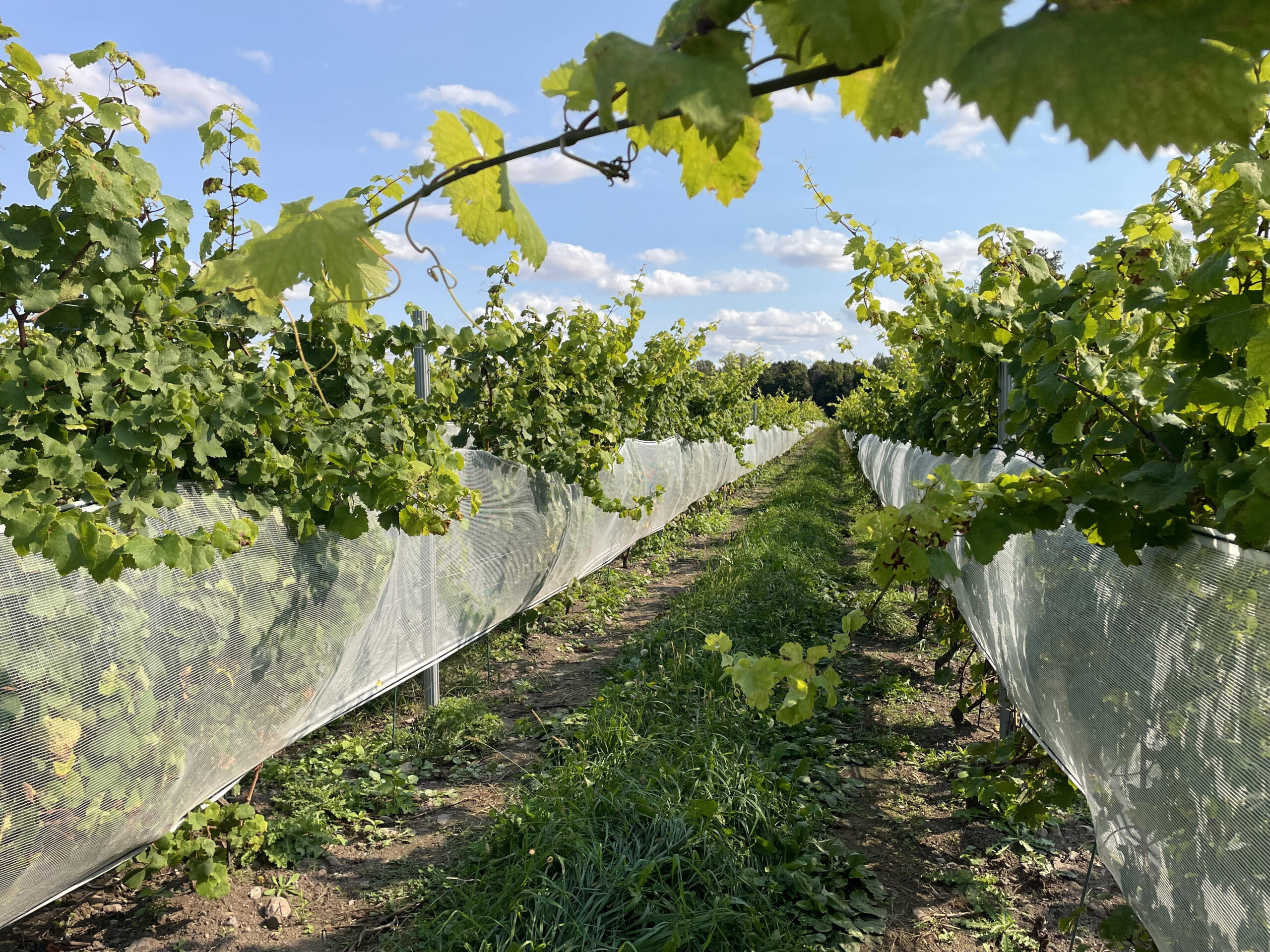
Harvesting is done entirely by hand, directly in the vineyard rows, to preserve the integrity of the grapes and allow for an initial visual sorting.
Cutting the Clusters
Each cluster is cut just above the grapes using pruning shears. This precise cut helps to:
- keep the cluster intact
- avoid damaging the berries
- limit premature oxidation
From Vine to Bucket
Once cut, the clusters are gently placed into buckets. This method helps to:
- minimize grape crushing
- make transport easier
- keep different lots clearly separate
The buckets are then quickly brought to the cellar to preserve the freshness and quality of the fruit.
Arrival at the Cellar: Destemming and Pressing
Upon arrival at the cellar:
- the grapes are destemmed (separating the berries from the stems)
- they are then pressed, primarily for white wines
- each batch is treated according to the style of wine being crafted
This is the moment when the grapes leave the vineyard and enter the world of winemaking.
A Physically Demanding Harvest in Quebec
Harvesting in Quebec comes with a unique reality: it is far more physically demanding than in many European wine regions.
Vines Kept Low for the Winter
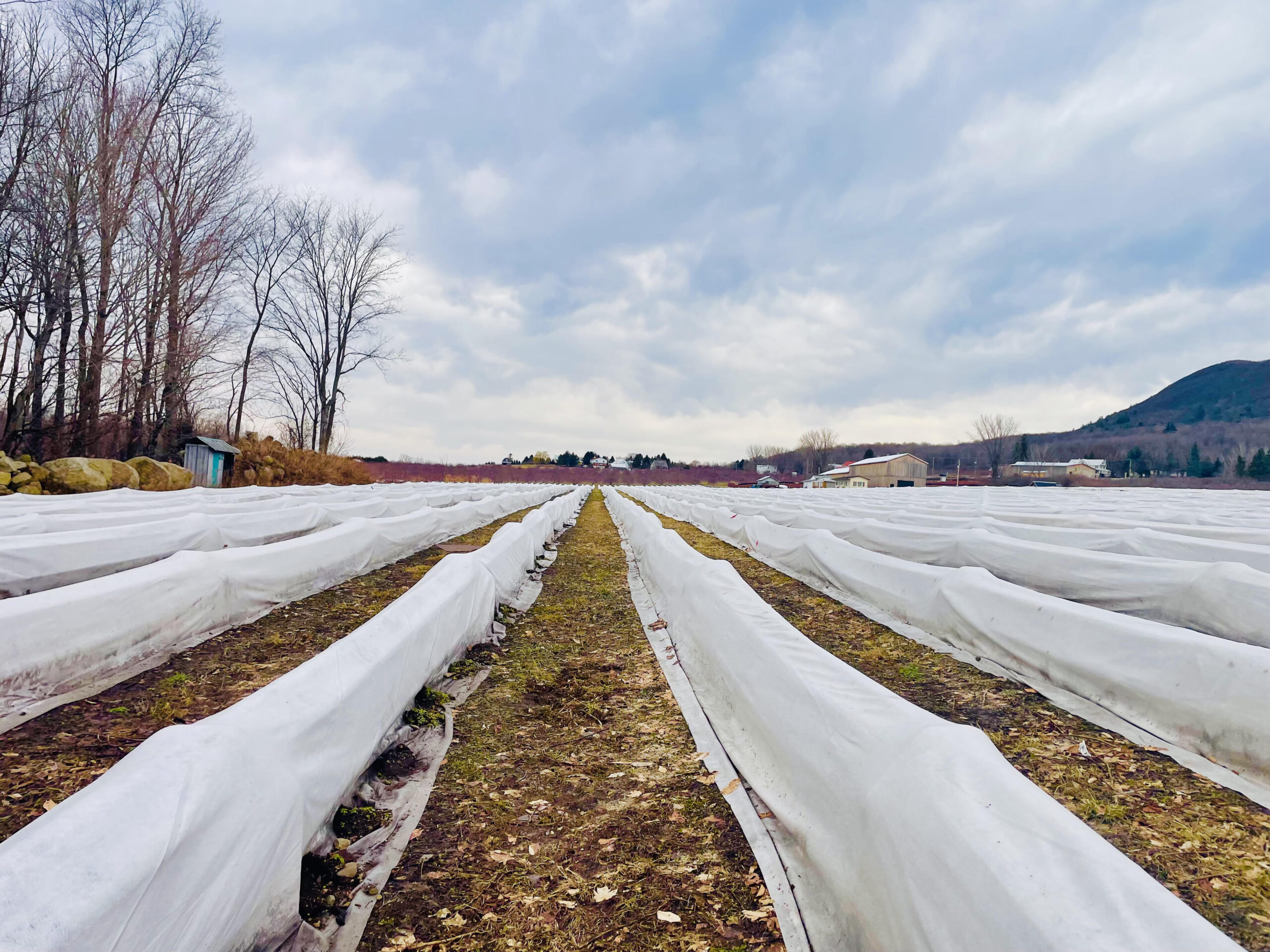
To cover the vines during the winter and protect them from intense cold, they are trained closer to the ground. This essential adaptation to our northern climate directly influences how we harvest.
Working Closer to the Ground
Because the grape clusters are positioned lower down:
- harvesters must often bend over or crouch
- the work requires more physical endurance and flexibility
- movements are repeated over long hours
It is demanding physical work, carried out in closest contact with the vine.
The Difference with Europe
In many European wine regions, vines are generally trained higher, allowing for:
- harvesting while standing
- using harvesting baskets worn on the back
- a more upright posture
In Quebec, harvesting reflects a viticulture adapted to the climate: lower, more physical, yet essential for the survival and quality of the vineyard.
Harvesting here literally means working in closest harmony with the soil.
An Intense and Deeply Human Experience
The harvest requires coordination, precision, and energy, but it also brings immense satisfaction. It represents the conclusion of an entire season of care and decisions, and the starting point for work in the cellar.
The End of One Cycle… and the Beginning of Another
Once the final cluster is picked, work in the vineyard slows down, but work in the cellar begins. The harvest marks the transition from vine to wine, from nature to craftsmanship.
To harvest is to capture an entire year within the grape.